Comparing gel and nail capsules presents important differences for your professional nail care.
- Gel forms a protective layer directly over the natural nail, for greater flexibility and a natural look for 2-3 weeks.
- Nail capsules are pre-formed extensions that instantly lengthen the nail, ideal for those who want immediate length.
- The choice depends on the condition of your natural nails, your lifestyle, and the desired aesthetic result.
- Maintaining gel is generally simpler than maintaining tips, which can have weak points.
The difference between these two techniques isn’t limited to aesthetics—it also affects comfort, durability, and daily maintenance.
The Essential Characteristics of Gel and Nail Capsules
Nail gel is composed of liquid acrylic that hardens under a professional UV lamp. This technique creates a protective layer directly on the natural nail. UV curing transforms this gel into a smooth, shiny surface that perfectly conforms to the shape of the nail.
Nail capsules, on the other hand, are pre-formed extensions that stick directly onto the natural nail. Usually made of resin or plastic, they instantly lengthen the nail. Fiberglass or silk tips offer excellent durability while remaining more flexible than their hard plastic counterparts.
Application Process and Ease of Use
Gel application requires careful preparation of the natural nail. After smoothing the nail edge and buffing the surface, apply several coats of gel in succession, allowing it to cure between each application. This technique is ideal for all nail types, whether naturally short or long.
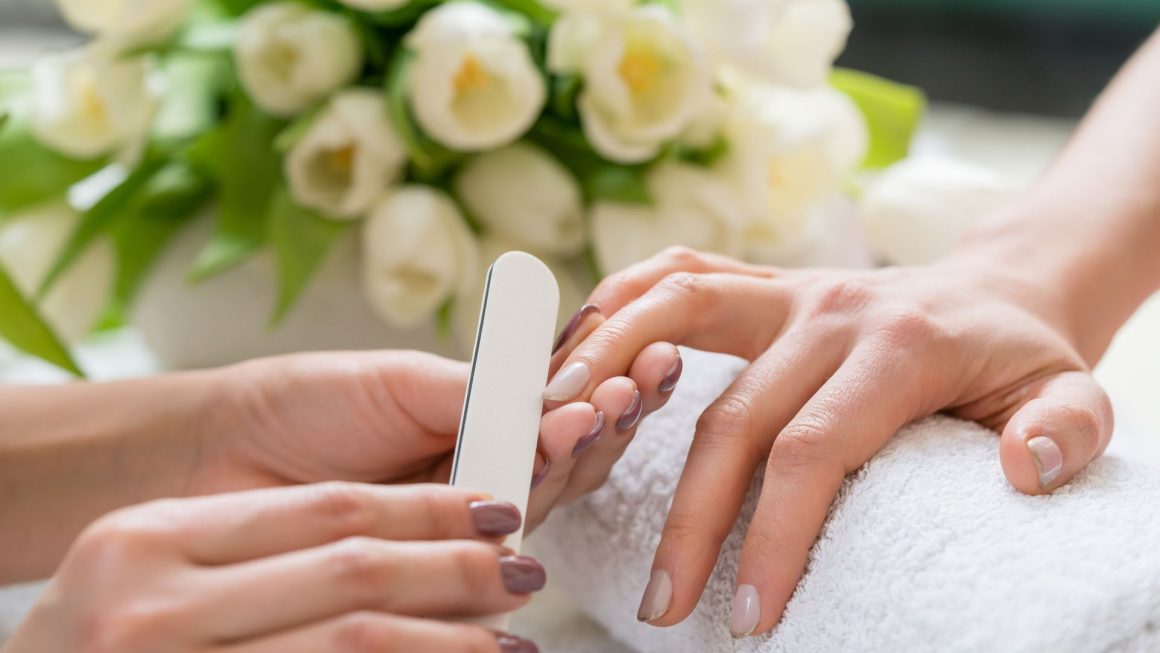
Applying nail capsules follows a different protocol. First, the appropriate tips are selected according to the size of each nail, and then they are attached using a special glue. Once the tips are fixed, the nails are polished with an electric nail file to achieve the desired shape, followed by a layer of gel or resin to fix them and blend into the natural nail.
The essential steps for a successful nail tip application are:
1. Preparing the natural nail (pushing back the cuticles and filing)
2. Selecting the right tips for each finger
3. Applying glue and attaching the tips
4. Filing and shaping the extensions
5. Applying a top coat (gel or resin)
If you are new to nail art, choosing Maryton Nail Supply may help you understand the different options for beautifying your hands.

Durability, Maintenance, and Impact on the Natural Nail
Gel nails generally last 2 to 3 weeks, after which regrowth becomes visible at the base of the nail. Maintaining gel nails is relatively simple—they can be filed like natural nails, and a new coat can be applied during a refill.
Top coats offer a similar lifespan, but can be more complex to maintain. The junction between the tip and the natural nail is a weak point that can become lifted or damaged over time. Refilling top coats sometimes requires complete removal and reapplication, which can be more challenging.
Regarding the impact on the natural nail, both techniques have advantages and disadvantages:
- Gel: Less aggressive during application but requires filing for removal
- Capsules: Can create pressure on the natural nail but are easily removed
- Gel: Adapts to the growth of the natural nail
- Capsules: Provide immediate length without waiting for growth
If you want particularly long and strong nails, the stencil technique can be an interesting alternative to traditional tips.
Choosing the Ideal Technique for Your Needs
To determine which technique is best for you, several factors come into play. The condition of your natural nails greatly influences this choice. If your nails are short but healthy, gel may be sufficient. However, if you want immediate length, tips will be more suitable.
Your lifestyle is also a determining factor. If you use your hands a lot or engage in intense manual activities, the flexibility of gel will provide better resistance to daily wear and tear. Tips, although sturdy, can peel off more easily under strong pressure.
Budget is another deciding factor. Gel applications are generally less expensive than capsules, which require more equipment and time. In the long run, gel maintenance can be more economical thanks to simple refills.
The desired aesthetic also guides the decision. Gel offers a more natural look, while capsules allow for more varied and daring shapes such as stilettos or ballerinas. On the other hand, new gel shaping techniques now allow you to create virtually any shape without using capsules.
Ultimately, the choice between gel and capsules is not set in stone. Many clients alternate between these two techniques depending on their preferences and the seasons. The important thing is to work with a qualified professional who will preserve the health of your natural nails while creating the aesthetic result you dream of.