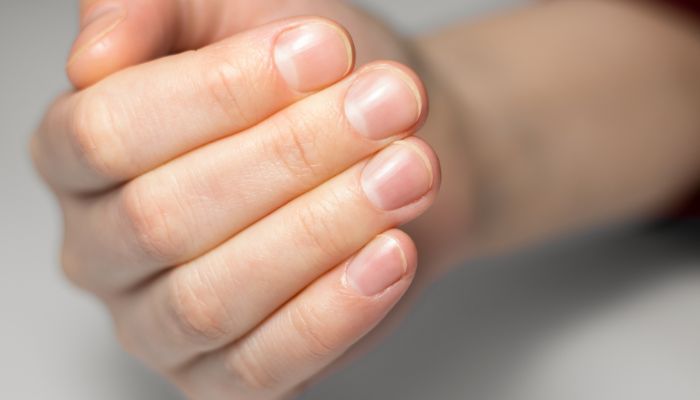
Imagine a finger or toenail slowly transforming. The pristine, smooth surface turns dull, thickens, and becomes brittle. A yellowish or brownish tint creeps in, sometimes with dark streaks. Debris may collect underneath, causing it to lift from the nail bed. This isn’t just a cosmetic flaw; it’s a sign of a common, persistent, and contagious condition: nail fungus.
What is Nail Fungus?
Medically known as onychomycosis, nail fungus is an infection caused by microscopic organisms called fungi, similar to those that cause athlete’s foot. These tiny invaders thrive in warm, dark, and moist environments, making nails—especially toenails encased in socks and shoes—perfect targets. The infection typically begins under the nail or in the nail bed, feeding on the keratin, the protein that makes up the nail. It progresses slowly, leading to the discoloration, thickening, and crumbling that characterize the condition. While not usually dangerous, it can be painful, cause permanent nail damage, and spread to other nails or skin.
What Causes It? The Usual Suspects
Several factors create the ideal conditions for a fungal takeover:
- Moist Environments: Prolonged exposure to sweat, walking barefoot in damp public places like swimming pools, locker rooms, and communal showers.
- Warm, Confined Spaces: Wearing tight, non-breathable shoes for extended periods.
- Minor Injuries: A small cut in the skin or a separation between the nail and nail bed (even from an injury or ill-fitting shoes) can provide an entry point for fungi.
- Weakened Immune System: Conditions like diabetes, circulation problems, or certain medications can reduce the body’s ability to fight off infections.
- Age: Reduced blood flow, slower nail growth, and years of potential exposure make older adults more susceptible.
- Sharing and Contaminated Tools: Using unsterilized nail clippers, nail files, or wearing shoes used by someone with an infection.
Fighting Back: Treatment Options
Treating nail fungus requires patience, as nails grow slowly. There is no overnight cure. Options range from over-the-counter to medical interventions:
1. Topical Antifungal Treatments: Medicated nail polishes or creams applied directly to the nail. They are most effective for mild, superficial infections but require daily application for up to a year.
2. Oral Antifungal Medication: Prescription pills like terbinafine or itraconazole are the most effective treatment for moderate to severe infections. They work from the inside out as the new nail grows. Treatment typically lasts several weeks to months but requires medical supervision due to potential side effects.
3. Medicated Nail Polish/Cream: Prescription-strength topical formulas (like ciclopirox or efinaconazole) have higher success rates than OTC versions.
4. Laser Therapy: A newer option where focused light (laser) is used to target and destroy the fungus. It often requires multiple sessions and may be costly.
5. Surgical Nail Removal: In severe, painful cases, a doctor may recommend removing the damaged nail entirely so a new, healthy one can grow in its place.
Important: Always consult a doctor for a proper diagnosis before starting treatment, as other conditions can mimic nail fungus.

Prevention is Your Best Defense
An ounce of prevention is truly worth a pound of cure with nail fungus.
- Keep Feet Dry and Clean: Wash daily and dry thoroughly, especially between toes. Use antifungal powder or spray if prone to sweating.
- Choose Breathable Footwear: Opt for shoes made of leather, canvas, or mesh. Alternate shoes daily to allow them to dry completely.
- Protect Your Feet: Wear flip-flops or shower shoes in public pools, gyms, and locker rooms.
- Don’t Share: Never share nail clippers, files, socks, or shoes.
- Trim Nails Properly: Cut straight across and file down thickened edges. Don’t cut nails too short.
- Choose Reputable Salons: This leads to the final, crucial point.
Safe Manicure and Pedicure Practices
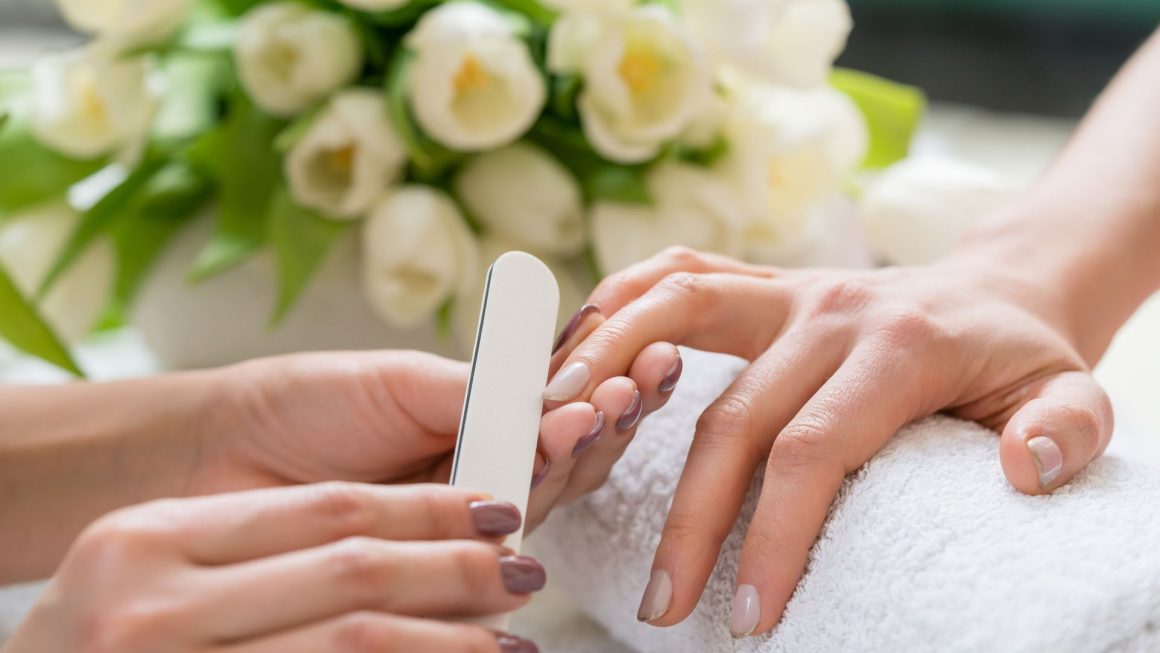
A salon visit should be relaxing, not risky. Ensuring safety is key to preventing fungal and bacterial infections.
- Tool Sterilization: This is non-negotiable. A salon must use an autoclave (a medical-grade steam sterilizer) for metal tools like clippers and cuticle pushers. Disposable manicure and pedicure sets are ideal. Soaking tools in disinfectant liquid is insufficient.
- Clean Environment: Tubs and basins should be cleaned and disinfected with a hospital-grade disinfectant between each client. Liners for footbaths are a good sign.
- Proper Cuticle Care: Cuticles are a natural barrier against infection. They should be gently pushed back, not cut aggressively. Cutting the cuticle creates tiny openings where fungi and bacteria can enter.
- Trust Your Senses: If a salon looks unclean, tools are sitting in dirty water, or practices seem questionable, trust your instinct and leave.
Conclusion
Nail fungus is a common and stubborn opponent, but it is not invincible. By understanding what it is, recognizing the conditions that allow it to thrive, and diligently following a treatment plan under medical guidance, you can overcome it. More importantly, adopting simple preventive habits—from choosing breathable socks to being a vigilant salon patron—can protect the health and appearance of your nails for years to come. Your first line of defense is always awareness and proactive care.
Read also: How to exfoliate your feet at home? Complete guide and recipes