Few things are more frustrating than spending twenty minutes painting your nails, only to smudge them five minutes later because the polish is still soft underneath. Nail polish seems to take forever to dry, and in many cases, it does. But the drying time is not random. It depends on the formula, the way you apply it, and the environment. Understanding why polish dries slowly—and what you can do about it—can save you time and frustration.
Why Nail Polish Takes So Long to Dry
Nail polish dries in two stages. The first stage is “touch dry.” The solvents at the surface evaporate, and the polish feels dry to the touch. This can happen within a few minutes. The second stage is “fully cured.” The solvents deeper in the film evaporate, and the polish hardens completely. This can take several hours—sometimes up to twenty-four hours for a thick application.
Regular nail polish dries by evaporation. It does not cure under a lamp like gel polish. The solvents need to escape from the film. If the polish is applied too thickly, the top layer dries first and traps the solvents underneath. This is why a thick coat can feel dry on the surface but remain soft and smudgy underneath.
Humidity and temperature also matter. In a hot, humid room, the air is already saturated with moisture, so the solvents evaporate more slowly. In cold air, the chemical reactions slow down. Good airflow and a dry environment help polish dry faster.
The Correct Application Steps
The way you apply polish has a huge impact on drying time. A careful application can dry faster and last longer than a rushed one.
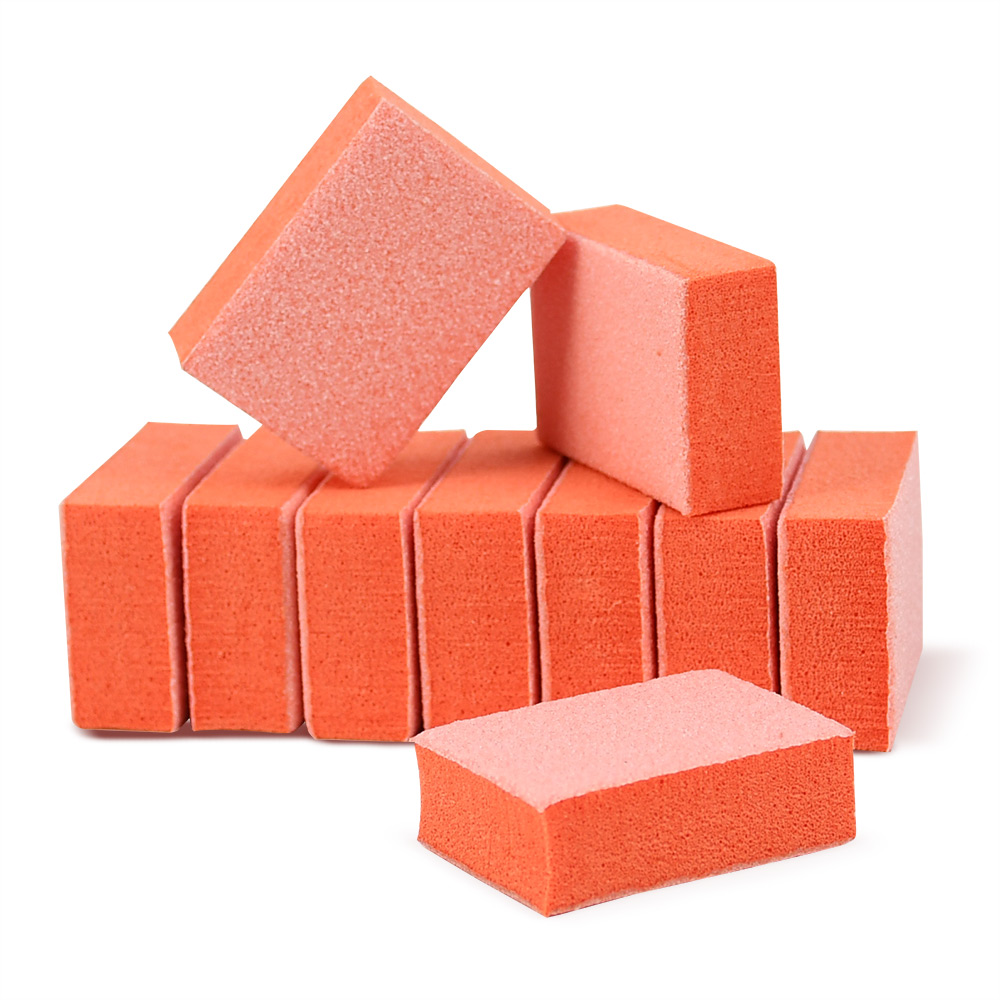
Step 1: Prep the nail. Remove old polish, shape the nails, push back the cuticles, and lightly buff the surface with buffer blocks. Wipe each nail with rubbing alcohol or a dehydrator to remove oils and dust. This creates a clean surface for the polish to adhere to. Do not touch the nails after this step.
Step 2: Apply a thin base coat. A base coat protects the nail, improves adhesion, and creates a smooth surface. Apply a thin layer and cap the free edge. Let it dry for one to two minutes.

Step 3: Apply thin color coats. This is the most important step for fast drying. Apply the first color coat thinly. Wipe one side of the brush against the bottle neck to remove excess polish. Place the brush at the center of the nail, push gently toward the cuticle, then pull smoothly toward the tip. Do not overload the brush. Let the first coat dry for two to three minutes. Apply a second thin coat. Two thin coats dry faster and look better than one thick coat.
Step 4: Apply a thin top coat. A top coat seals the color and adds shine. Apply a thin layer and cap the free edge. A thin top coat dries faster than a thick one.
Step 5: Let it set. Even if the polish feels dry to the touch, it is still soft underneath. Avoid using your hands for at least thirty minutes. Ideally, wait an hour before washing your hands or doing dishes.
Tips to Make Nail Polish Dry Faster
Apply thin layers. This is the single most effective tip. Thick layers trap solvents and take hours to dry. Thin layers dry in minutes.
Wait between coats. Do not apply the second coat while the first is still wet. If you do, the layers will merge and take much longer to dry. Wait two to three minutes between coats.
Use a quick-dry top coat. These formulas contain solvents that evaporate faster. They can significantly reduce drying time.
Use quick-dry drops or spray. These products are applied after the top coat. They contain ingredients that help solvents evaporate and create a protective film. A few drops on each nail can make a noticeable difference.
Dip nails in cold water. After the top coat is applied, wait a minute or two, then dip your fingertips in a bowl of cold water for thirty seconds. The cold temperature helps the polish set. Dry gently with a paper towel.
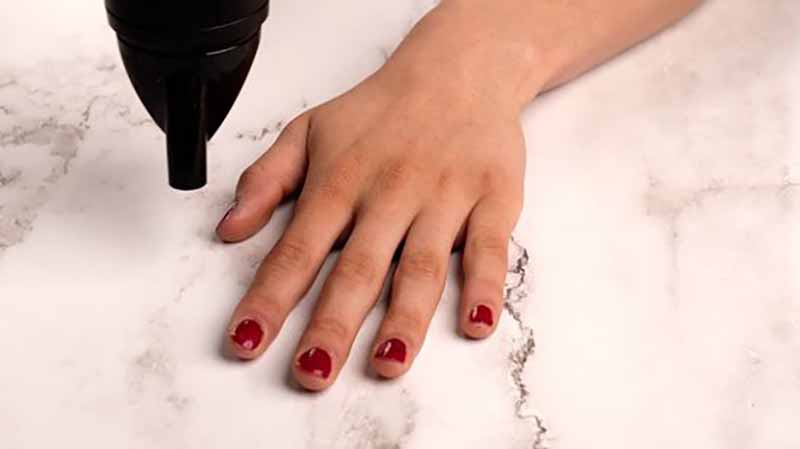
Use a fan or blow dryer on cool setting. A gentle breeze helps solvents evaporate. Keep the fan at a distance and use the cool setting. Do not use hot air—it can cause bubbles and uneven drying.
Avoid shaking the bottle. Shaking creates air bubbles that slow drying and cause unevenness. Roll the bottle between your palms instead.
Work in a dry, well-ventilated room. High humidity slows evaporation. Use a dehumidifier or air conditioner if needed. Open a window for airflow.
Keep polish off the skin. Polish on the cuticle or sidewalls does not dry properly and can cause lifting. Clean up with a small brush dipped in remover.
Apply polish to dry nails. Wet nails from a recent shower or hand wash will not hold polish well. Wait until nails are completely dry.
Use a fast-drying formula. Some polishes are formulated to dry faster. Look for quick-dry or fast-set formulas.
Common Mistakes That Slow Drying
Applying thick coats. This is the biggest mistake. Thick coats feel dry on top but stay soft underneath for hours.
Skipping base coat or top coat. Base coat helps polish adhere and dry evenly. Top coat seals the color and adds a fast-drying layer. Skipping either can slow drying and shorten wear.
Not waiting between coats. Rushing causes the layers to merge, which slows drying and causes smudges.
Shaking the bottle. Bubbles trapped in the polish slow drying and create an uneven surface.
Using old polish. Old polish thickens as solvents evaporate in the bottle. Thick polish applies unevenly and dries slowly. Replace old bottles or use a polish thinner.
Painting in a humid bathroom. Moisture in the air slows evaporation. Choose a dry, well-ventilated space.
Touching nails too soon. Even if the surface feels dry, the polish underneath is still soft. Avoid pressure for at least thirty minutes.
Applying too many layers. More than three thin color coats can slow drying and increase the risk of smudging.
Final Thoughts
Nail polish dries slowly because it relies on solvent evaporation. The key to faster drying is thin layers, patience between coats, and a dry, well-ventilated environment. Use a quick-dry top coat, try quick-dry drops, and avoid thick application. Do not shake the bottle, and do not touch your nails until the polish has had time to set. With these habits, you can enjoy a beautiful manicure without spending the rest of your day waiting for it to dry.
Read also: Mini Sanding Bands in Nail Care: Precision, Hygiene, and Control